Pump.fun and the Memecoin Launchpad Economy
Pump.fun PUMP (PUMP) traded near rank 84 by market cap on May 10, as the platform’s token held in the upper tier of mid-large cryptocurrency assets. The Pump.fun protocol, built on Solana (SOL), has processed the creation and early-stage trading of hundreds of thousands of tokens since its launch.
The PUMP token represents the protocol’s native asset, and its sustained rank reflects the platform’s position as the dominant memecoin creation and launchpad infrastructure on the Solana network.
How the Launchpad Works
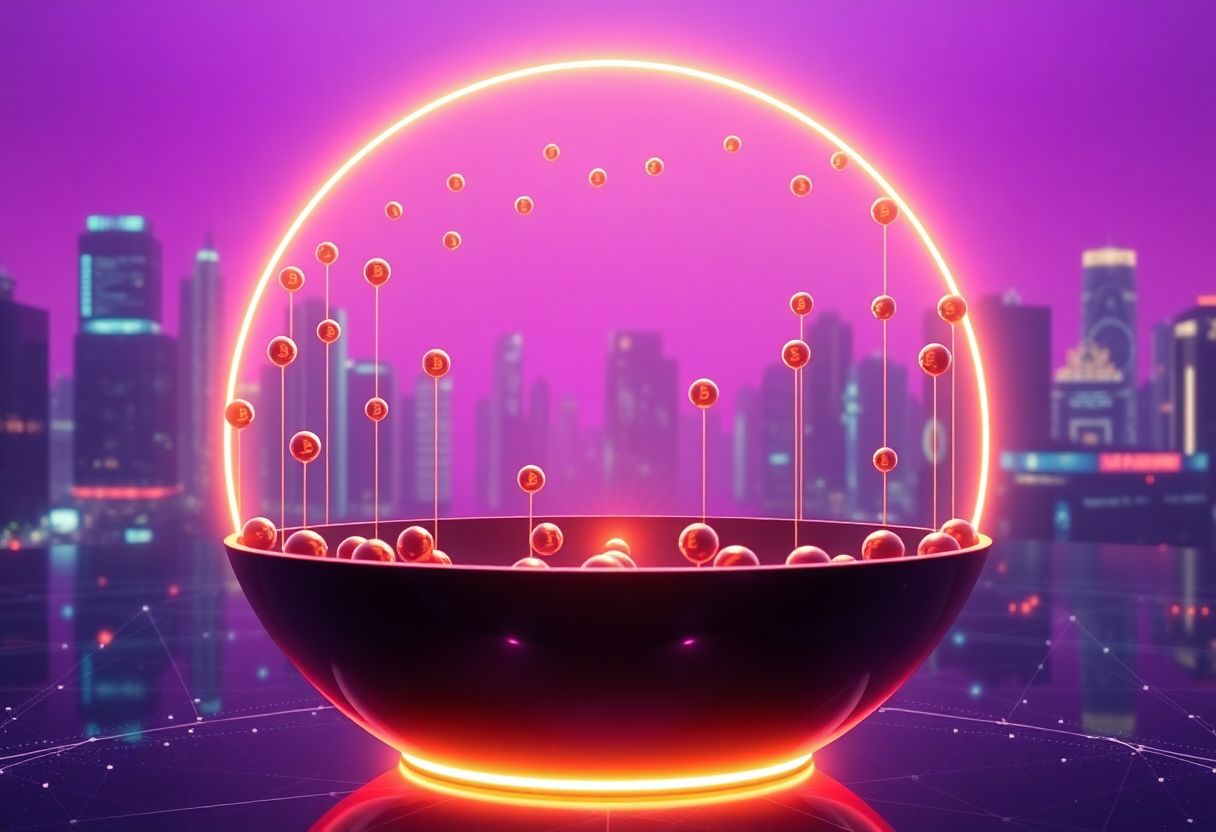
Pump.fun allows any user to create and launch a new Solana-based token in seconds, with no coding required and a minimal upfront cost. The platform uses a bonding curve mechanism, a pricing model where token price rises automatically as a function of how many tokens have been purchased from the curve, to bootstrap early liquidity without requiring a traditional order book or external market makers.
When a token launched on Pump.fun accumulates enough volume to reach a defined liquidity threshold, the protocol migrates it to Raydium, Solana’s primary automated market maker, where it can trade with deeper liquidity.
This two-stage launch structure lowers the barrier to token creation while providing a natural graduation path for tokens that attract genuine trading interest. The system also means Pump.fun earns fees on every transaction along the bonding curve, a revenue stream that has made the platform one of the most profitable protocols in the Solana ecosystem by fee generation.
Also Read: Infinex Eyes Simpler Cross-Chain Access as DeFi UX Token Trends at Rank 656
The Economics of Meme Token Creation
The scale of Pump.fun’s output is significant.
The platform has been responsible for the majority of new token launches on Solana since its 2024 debut. Most tokens launched never accumulate enough volume to graduate from the bonding curve to Raydium.
A small fraction reaches the graduation threshold. An even smaller fraction develops lasting market caps above $1 million.
This distribution is a feature of the model rather than a flaw.
The platform monetizes every step of the funnel, from the initial creation fee to each bonding curve trade. Creators pay to launch.
Early buyers pay transaction fees. Even tokens that fail to graduate generate revenue on the way down.
The PUMP token accrues value in part as a claim on this fee stream, depending on protocol governance decisions about how fees are distributed to token holders versus retained by the treasury.
Also Read: Infinex Surges 72% as Cross-Chain Frontend Token Posts Near-Record Daily Volume
Background
Pump.fun launched on Solana in January 2024 and gained rapid traction by dramatically lowering the technical and financial barriers to token creation. Prior to Pump.fun, launching a Solana token required setting up liquidity pools manually, acquiring SOL for initial liquidity, and navigating decentralized exchange interfaces that assumed technical knowledge.
The platform’s cumulative fee revenue surpassed $100 million within its first year, a figure tracked by on-chain analytics and widely cited across cryptocurrency media.
The PUMP governance token launched in late 2024, following a model similar to other DeFi protocols that issued tokens to retroactive users and early participants. The token launch itself generated significant controversy because Pump.fun allocated a large portion of the supply to the team and investors, with community members arguing the distribution was skewed.
Those debates have since faded as the protocol has continued operating at scale without major incidents.
Also Read: Billions Network Surges 35% as Social Finance Token Posts $528 Million in Volume
What to Watch
The key variable for PUMP’s valuation is whether Solana memecoin activity sustains or contracts through the second quarter of 2026. Pump.fun’s fee revenue is directly correlated with Solana network transaction volume and memecoin trading intensity.
In periods when Solana meme token culture is active, the platform generates consistent revenue. In quieter periods, new token launches and bonding curve activity both slow sharply.
Competition is the second variable.
Rival launchpad protocols on Solana and on other chains have attempted to replicate Pump.fun’s model with additional features, lower fees, or fairer token distributions. None has displaced Pump.fun’s dominant market share as of May 2026, but the barrier to replication is low and competitive pressure remains persistent.
Traders holding PUMP should track weekly new-token creation counts and graduation rates as leading indicators of protocol health.
Read Next: Sweatcoin’s SWEAT Token Posts 867% Surge as Move-to-Earn Narrative Returns