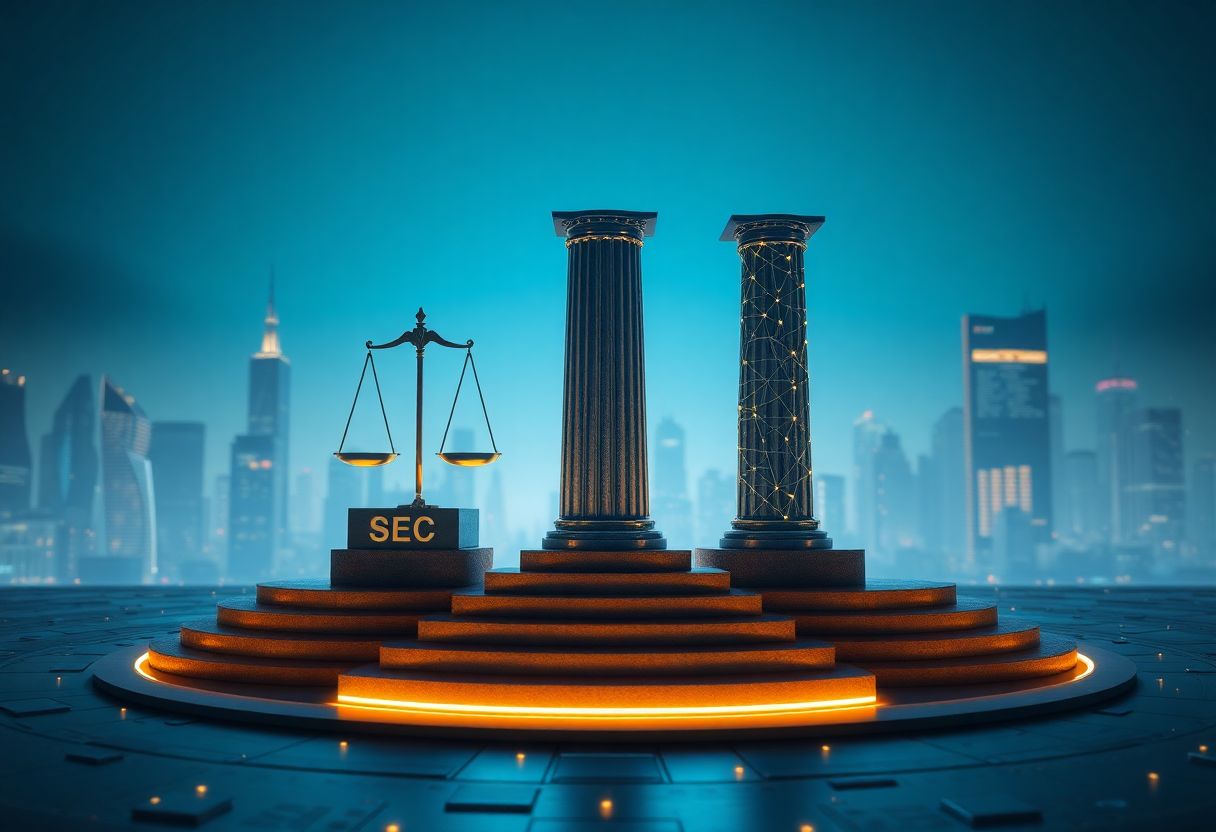
SEC Crypto Task Force Chief Counsel Outlines Two-Bucket Approach to Cryptocurrency Regulation
The SEC Crypto Task Force’s chief counsel, Taylor Lindman, outlined a two-bucket approach to cryptocurrency oversight at Consensus 2026 in Miami on May 8, separating digital assets into two broad regulatory categories. Lindman said the framework aims to clarify which tokens fall under securities law and which do not.
The appearance marks one of the clearest public statements yet from inside the Task Force on how the agency plans to categorize the cryptocurrency market.
The Two-Bucket Framework
Lindman described the first bucket as assets that behave like investment contracts, drawing on the Howey test that courts use to determine whether something qualifies as a security. The second bucket covers assets with sufficiently decentralized networks, where no central party can be deemed an issuer.
Lindman, speaking in a recorded CoinDesk interview published May 8, said he first bought Bitcoin (BTC) in 2013, a disclosure meant to underline his familiarity with the asset class. The comment signals a shift in tone from the agency’s prior posture of broad enforcement.
Also Read: Bank of England Warns of Regulatory Clash Over U.S.
Stablecoin Rules
Background
The SEC Crypto Task Force was established earlier in 2026 under Chair Paul Atkins to provide clearer guidance following years of regulation-by-enforcement under the prior administration. The prior approach drew criticism from industry groups who argued the agency filed enforcement actions without first issuing clear rules.
The Task Force has since held a series of roundtables and published staff statements. The two-bucket framing Lindman described aligns with positions that industry lawyers and academics proposed repeatedly in comment letters filed with the agency over the past two years.
Also Read: XRP on-Chain Data Shows 85% Drop in New Addresses as Institutional Rails Take Over
Implications for the Market
The framework, if adopted formally, would give exchanges and token issuers a cleaner path to compliance.
Assets in bucket two, the decentralized category, would face lighter registration requirements. Assets in bucket one would need to register as securities or qualify for an exemption.
The distinction matters most for mid-tier tokens that have not received formal guidance. Bitcoin already trades comfortably outside securities scrutiny.
The next step will be whether the Task Force issues written guidance formalizing Lindman’s two-bucket description.
Read Next: Interactive Brokers Lists Coinbase Derivatives in U.S. Options Expansion