Real-World Assets Are Poised to Drive the Next NFT Wave, OpenSea CMO Says
OpenSea’s chief marketing officer said May 15 that real-world asset tokenization will be the primary catalyst for the next major NFT adoption cycle, arguing that the technology’s relevance has shifted from speculative digital art toward legally enforceable ownership of tangible property. The prediction, shared in a Messari industry newsletter published May 15, landed alongside separate data showing tokenized ETFs reaching new volume highs and Wall Street firms intensifying discussions about Hyperliquid regulation.
The CMO’s Thesis
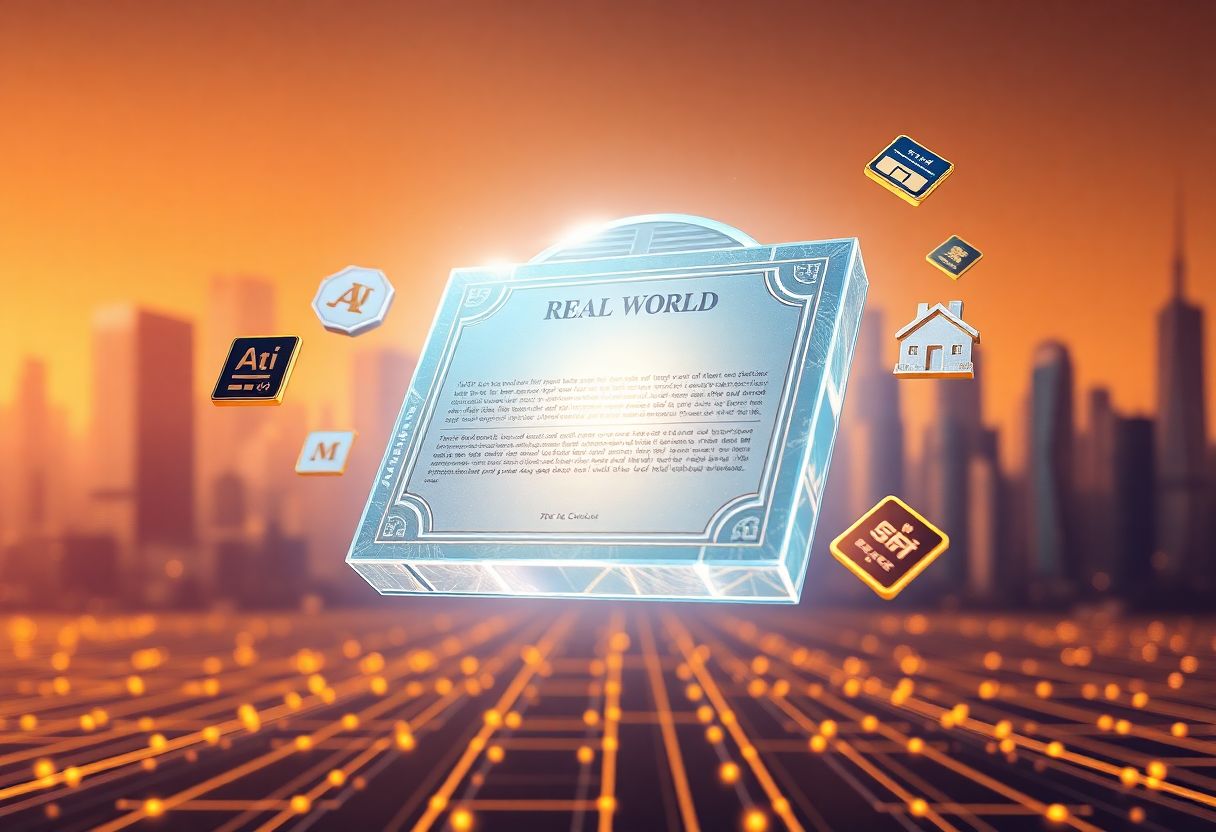
OpenSea’s CMO said the next NFT wave will be fueled by assets that carry real-world utility, such as collectibles like Pokémon cards, real estate deeds, and legally enforceable ownership records on physical property.
The argument moves the conversation well past the 2021-era profile picture market and positions NFT infrastructure as a settlement and provenance layer for traditional markets.
The thesis hinges on a simple premise. Blockchain-based ownership records are cheaper to verify, transfer, and fractionalize than paper-based or registry-based equivalents.
A tokenized deed for a property in Austin or a graded sports card with an on-chain provenance certificate eliminates intermediary verification steps that currently add days and hundreds of dollars in friction to each transaction.
Also Read: British Gas Pays £20M to Settle Prepayment Meter Scandal
Why Tokenized ETFs Matter Here
The OpenSea CMO’s prediction did not arrive in isolation. The same Messari briefing flagged tokenized ETF volume reaching new highs in May 2026, a data point that supports the broader real-world asset narrative.
Tokenized ETFs are traditional exchange-traded funds whose shares are represented as blockchain tokens, enabling 24-hour trading, fractional ownership, and programmable settlement.
That product category has drawn genuine institutional participation. Asset managers including Franklin Templeton and several cryptocurrency-native firms have launched tokenized fund products on Ethereum (ETH) and Solana (SOL) over the past 18 months.
The combined on-chain AUM across tokenized Treasuries and money market funds crossed $3 billion in early 2025 and has continued climbing.
The relevance to NFTs is structural. Tokenized ETF shares and real-world asset NFTs share the same underlying infrastructure, the same legal questions about on-chain ownership and off-chain enforceability, and many of the same potential investors.
A regulatory framework that legitimizes one category tends to lower the barrier for the other.
Also Read: Babylon Bitcoin Staking Reaches $4 Billion in Total Value Locked One Year After Launch
Background
The NFT market peaked in early 2022 when total monthly trading volume across major marketplaces exceeded $12 billion. The crash that followed was severe.
By mid-2023, monthly volumes had fallen more than 95% from peak levels, and most profile picture collections shed between 80% and 99% of their floor price value. OpenSea, which commanded the dominant marketplace position during the boom, faced rising competition from Blur and later from Tensor on Solana (SOL), both of which captured professional trader volume with zero-fee or reward-based models.
The pivot toward real-world assets represents a strategic repositioning for the NFT industry’s infrastructure providers.
Instead of depending on speculative digital collectibles, platforms like OpenSea are betting that durable demand will come from assets with cash flows, legal standing, and institutional buyers. That is a fundamentally different buyer profile than the retail traders who drove the 2021 cycle.
Several regulatory signals support the timing.
The SEC has issued no-action guidance on certain tokenized asset categories, and the CFTC has indicated openness to on-chain settlement for commodity derivatives. A clearer legal pathway for tokenized ownership reduces the compliance risk that kept institutional participants on the sidelines during the last cycle.
Also Read: UK Borrowing Costs Hit 18-Year High as Burnham Leadership Bid Rattles Markets
What to Watch
The real-world asset NFT thesis lives or dies on two variables.
First, legal enforceability: a token representing a property deed is only valuable if courts and title registries recognize it as binding. That varies by jurisdiction, and most U.S. states have not passed legislation validating blockchain-based title transfer.
Second, liquidity: RWA NFTs need active secondary markets to provide the price discovery that makes them useful as collateral or investment instruments.
OpenSea is positioned to benefit if the thesis plays out. The exchange already has the user base, the smart contract infrastructure, and the brand recognition to serve as the primary marketplace for tokenized real-world assets if volume scales.
But execution risk is substantial. The company has restructured its team multiple times since 2022 and faces well-funded competitors at every layer of the NFT stack.
Read Next: LAB Token Drops 36% in 24 Hours as AI Narrative Tokens Face a Sector Selloff